Coliform Bacteria in UK drinking water is regulated at 0 per 100ml. The WHO guideline is 0 per 100ml and the EU standard is 0 per 100ml. UK regulations require zero coliform bacteria in treated water. Detection indicates possible treatment failure and triggers immediate investigation.
Health Effects
Most coliform bacteria are not pathogenic and do not cause illness directly. However, their detection in treated drinking water is treated as a serious event because it signals that the water may have been exposed to faecal contamination or that the treatment barrier has been compromised. This means that harmful organisms — including E. coli, Cryptosporidium, and viruses — could also be present. When coliforms are detected, water companies must investigate immediately and may issue precautionary boil-water notices.
Where It Comes From
Coliform bacteria are found naturally in soil, vegetation, and the intestines of warm-blooded animals. They enter water sources through agricultural runoff, sewage discharges, and surface water contamination. In treated water, coliform detection usually points to a breakdown in the treatment process, inadequate disinfection, ingress of contaminated water into the distribution network through cracked pipes, or regrowth in biofilms within the pipe system. Warm weather and stagnant water can promote bacterial growth.
Regulatory Standards
Jurisdiction
Limit / Guideline
Notes
UK (DWI)
0 per 100ml
Regulated under the Water Supply (Water Quality) Regulations 2016
WHO
0 per 100ml
World Health Organization Guidelines for Drinking-water Quality
EU
0 per 100ml
EU Drinking Water Directive (2020/2184). The UK no longer automatically mirrors EU standards post-Brexit.
How to Remove Coliform Bacteria
UV disinfection
Ultraviolet light at 254nm wavelength damages the DNA of bacteria and viruses, preventing them from reproducing. Highly effective against microorganisms without adding chemicals to the water.
Reverse osmosis
A membrane filtration process that removes up to 99% of contaminants by forcing water through a semi-permeable membrane under pressure. Highly effective but produces some wastewater.
Chlorination
Adding chlorine or chloramine to water kills bacteria and viruses. The standard disinfection method used by UK water companies. Effective against E. coli and most waterborne pathogens.
Filters that address Coliform Bacteria
No filter we list names coliform bacteria specifically. Reverse osmosis is shown because it rejects dissolved contaminants broadly rather than by name. Check your own report before buying.
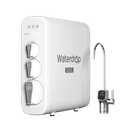
Waterdrop G3P600 Reverse Osmosis
Reverse Osmosis · NSF/ANSI 58, NSF/ANSI 372
Why it fits
Removes 12+ contaminants including PFAS and fluoride
Tankless design saves under-sink space
Smart TDS monitoring panel shows real-time water quality
Trade-offs
Professional installation recommended — plumbing required