Iron in UK drinking water is regulated at 0.2 mg/L. The WHO guideline is No health-based guideline and the EU standard is 0.2 mg/L. Iron is the most common cause of brown or orange water complaints in the UK, typically from aging Victorian-era cast iron mains.
Health Effects
Iron in drinking water is generally not considered a direct health risk at the concentrations typically found in UK supplies. The WHO has not set a health-based guideline because iron is an essential nutrient and toxicity from drinking water is extremely rare. However, very high iron levels can cause gastrointestinal discomfort, nausea, and contribute to an unpleasant metallic taste that discourages adequate water consumption. Iron deposits in pipes can also harbour bacteria.
Where It Comes From
The main source of iron in UK tap water is aging cast iron water mains, many of which were laid in the Victorian era. As these pipes corrode, iron oxide flakes off into the water supply — particularly after pressure changes, burst mains, or when fire hydrants are used. Natural iron in groundwater sources is another contributor, especially in areas with iron-rich geology. Internal galvanised steel plumbing in older properties can also release iron.
Regulatory Standards
Jurisdiction
Limit / Guideline
Notes
UK (DWI)
0.2 mg/L
Regulated under the Water Supply (Water Quality) Regulations 2016
WHO
No health-based guideline
World Health Organization Guidelines for Drinking-water Quality
EU
0.2 mg/L
EU Drinking Water Directive (2020/2184). The UK no longer automatically mirrors EU standards post-Brexit.
How to Remove Iron
Activated carbon
Porous carbon material (from charcoal or coconut shell) that adsorbs contaminants as water passes through. Best for organic compounds and some heavy metals.
Reverse osmosis
A membrane filtration process that removes up to 99% of contaminants by forcing water through a semi-permeable membrane under pressure. Highly effective but produces some wastewater.
Ion exchange
Replaces unwanted ions (such as nitrate or lead) with harmless ones using resin beads. Effective and widely used in both whole-house and point-of-use systems.
Filters that address Iron
No filter we list names iron specifically. Reverse osmosis is shown because it rejects dissolved contaminants broadly rather than by name. Check your own report before buying.
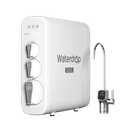
Waterdrop G3P600 Reverse Osmosis
Reverse Osmosis · NSF/ANSI 58, NSF/ANSI 372
Why it fits
Removes 12+ contaminants including PFAS and fluoride
Tankless design saves under-sink space
Smart TDS monitoring panel shows real-time water quality
Trade-offs
Professional installation recommended — plumbing required