Mercury in UK drinking water is regulated at 0.001 mg/L. The WHO guideline is 0.006 mg/L and the EU standard is 0.001 mg/L. Mercury is one of the most tightly regulated metals in UK drinking water. The UK limit of 0.001 mg/L is six times stricter than the WHO guideline.
Health Effects
Mercury is a potent neurotoxin that can damage the nervous system, kidneys, and immune system. Inorganic mercury in drinking water is primarily toxic to the kidneys, where it accumulates over time. Developing foetuses and young children are most vulnerable — mercury exposure during pregnancy can impair cognitive development, language skills, and motor function. Chronic low-level exposure in adults has been linked to tremors, memory problems, and mood changes.
Where It Comes From
Mercury in UK water sources comes from both natural and industrial origins. Natural sources include weathering of mercury-containing minerals and volcanic deposits. Industrial sources include historical discharge from chemical manufacturing, chlor-alkali plants, and dental amalgam waste. Atmospheric deposition from coal-fired power stations and waste incineration can contaminate surface water catchments. Legacy contamination from industrial sites remains a concern in some areas.
Regulatory Standards
Jurisdiction
Limit / Guideline
Notes
UK (DWI)
0.001 mg/L
Regulated under the Water Supply (Water Quality) Regulations 2016
WHO
0.006 mg/L
World Health Organization Guidelines for Drinking-water Quality
EU
0.001 mg/L
EU Drinking Water Directive (2020/2184). The UK no longer automatically mirrors EU standards post-Brexit.
How to Remove Mercury
Reverse osmosis
A membrane filtration process that removes up to 99% of contaminants by forcing water through a semi-permeable membrane under pressure. Highly effective but produces some wastewater.
Distillation
Water is boiled and the steam condensed, leaving most contaminants behind. Highly effective but slow and energy-intensive — typically used in countertop units.
Activated carbon
Porous carbon material (from charcoal or coconut shell) that adsorbs contaminants as water passes through. Best for organic compounds and some heavy metals.
Filters that address Mercury
These list mercury among what they reduce. Check your own report first — a filter is only worth buying for a contaminant your supply actually has.
Listed to reduce Mercury
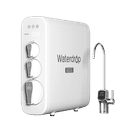
Waterdrop G3P600 Reverse Osmosis
Reverse Osmosis · NSF/ANSI 58, NSF/ANSI 372
Why it fits
Removes 12+ contaminants including PFAS and fluoride
Tankless design saves under-sink space
Smart TDS monitoring panel shows real-time water quality
Trade-offs
Professional installation recommended — plumbing required