Pesticides in UK drinking water is regulated at 0.1 µg/L (individual), 0.5 µg/L (total). The WHO guideline is Varies by compound and the EU standard is 0.1 µg/L (individual), 0.5 µg/L (total). The UK applies a precautionary blanket limit of 0.1 µg/L for any individual pesticide. Metaldehyde and clopyralid are among the most commonly detected.
Health Effects
The health effects of pesticides vary widely depending on the specific compound, but chronic exposure through drinking water has been linked to endocrine disruption, reproductive problems, neurological effects, and increased cancer risk for some substances. Children are more vulnerable due to their lower body weight and developing organ systems. The precautionary UK limit of 0.1 µg/L per compound is set well below levels where health effects have been observed, reflecting a safety-first approach.
Where It Comes From
Pesticides reach UK drinking water sources primarily through agricultural runoff from treated fields, leaching through soil into groundwater, and spray drift. The most commonly detected pesticides in UK water include metaldehyde (used in slug pellets), clopyralid (a broadleaf herbicide), MCPA (used on grassland and cereals), and propyzamide. Seasonal patterns are common, with higher detections in autumn and winter following application and rainfall. Urban sources include weed killers used on railways, roads, and gardens.
Regulatory Standards
Jurisdiction
Limit / Guideline
Notes
UK (DWI)
0.1 µg/L (individual), 0.5 µg/L (total)
Regulated under the Water Supply (Water Quality) Regulations 2016
WHO
Varies by compound
World Health Organization Guidelines for Drinking-water Quality
EU
0.1 µg/L (individual), 0.5 µg/L (total)
EU Drinking Water Directive (2020/2184). The UK no longer automatically mirrors EU standards post-Brexit.
How to Remove Pesticides
Activated carbon
Porous carbon material (from charcoal or coconut shell) that adsorbs contaminants as water passes through. Best for organic compounds and some heavy metals.
Reverse osmosis
A membrane filtration process that removes up to 99% of contaminants by forcing water through a semi-permeable membrane under pressure. Highly effective but produces some wastewater.
Carbon block filters
Dense blocks of activated carbon that physically block particles and adsorb chemicals. More effective than granular carbon for lead and other heavy metals.
Filters that address Pesticides
No filter we list names pesticides specifically. Reverse osmosis is shown because it rejects dissolved contaminants broadly rather than by name. Check your own report before buying.
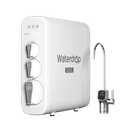
Waterdrop G3P600 Reverse Osmosis
Reverse Osmosis · NSF/ANSI 58, NSF/ANSI 372
Why it fits
Removes 12+ contaminants including PFAS and fluoride
Tankless design saves under-sink space
Smart TDS monitoring panel shows real-time water quality
Trade-offs
Professional installation recommended — plumbing required