By TapWater.uk Research · Updated September 2026 · Independent research
A water softener is the one home water product where the technology is settled and the decision is not. Every unit worth buying works the same way, by swapping the calcium and magnesium that make limescale for a little sodium. What differs is whether it keeps softening while it cleans itself, what kind of salt it eats, who fits it, and what all of that costs over the fifteen or so years it will sit in your cupboard.
This guide compares the five names you will actually be quoted for in Britain, Harvey, Kinetico, BWT, Monarch and Water2Buy, explains the two designs they split into, and starts with the question the brochures skip: whether the water at your postcode is hard enough to justify one.
According to TapWater.uk's analysis of 2,800 UK postcode districts, more than half of England receives hard or very hard water above 200 mg/L, the level at which an ion exchange softener is worth installing. For 2026, Harvey and Kinetico lead on 24-hour soft water with non-electric twin cylinders; Monarch and BWT are the value metered picks; Water2Buy is the budget self-install route.
This guide contains affiliate links to salt and test products, and a free quote form. We may earn a commission on purchases and a fee when an installer takes on a quote request. Neither changes what you pay, and neither changes our verdicts, which are based on how softeners actually work in UK water. Full disclosure
Get softener quotes for your postcode
Softeners are sold installed, so the real price is a quote, not a sticker. Tell us where you live and we will match you with installers who cover your area. Compare two or three before you decide.
Request a free assessment and we'll come back to you with local installer options for your area.
100%
free, no obligation
shared only with your consent
First: does your water need softening?
Water companies report hardness in milligrams per litre of calcium carbonate. Below about 120 mg/L you will barely notice scale. Between 120 and 200 you will see it on taps and in the kettle and can usually manage with descaler. From 200 upwards, the band most of London, the South East, East Anglia and the Midlands sits in, scale forms fast enough to cost you in boiler efficiency and appliance life, and a softener starts to pay for itself.
softener territory from 200
Soft
Moderately soft
Slightly hard
Hard
Very hard
0
60
120
200
400+
Hardness in mg/L as calcium carbonate, the scale UK water companies report in.
Soft
0 to 60 mg/L
Moderately soft
60 to 120 mg/L
Slightly hard
120 to 180 mg/L
Hard
180 to 200 mg/L
Very hard
200 to 400 mg/L
Check the hardness at your postcode
We hold the reading your water company reports for your supply zone. If it is 200 mg/L or more, carry on reading. If it is under 120, save your money.
Not sure what the number means for your home? Start with do I need a water softener, which walks through the bands and the symptoms.
The two designs, and why the price gap exists
Inside every softener is a cylinder of resin beads that grab calcium and magnesium and release sodium. Once the beads are full the unit rinses them with brine, which is why it needs salt and a drain. The fork in the road is what happens during that rinse.
A single-cylinder softener has one resin tank. While it regenerates, usually in the small hours, it passes hard water through to the taps. Most are electric: a meter counts the litres you have used and a controller decides when to rinse. A twin-cylinder softener splits the resin across two tanks and regenerates one while the other keeps softening. Harvey and Kinetico build theirs without electricity at all, using the flow of water to drive the valve. You get soft water at 3 a.m. and no plug socket in the cupboard; you also pay for two of everything.
Twin-cylinder versus single-cylinder softeners
Feature
Twin-cylinder, non-electric
Single-cylinder, metered
Soft water during regeneration
Needs a plug socket
Regenerates by water used, not by clock
Metered models yes
Usual salt format
Block
Tablet
Fits under a kitchen sink
Most models
Compact models
Typical installed cost
£1,000–£2,500
Lower end of range
Brands
Harvey, Kinetico
BWT, Monarch, Water2Buy
Block salt or tablet salt
The salt format follows the design. Twin-cylinder cabinets from Harvey and Kinetico take 4 kg blocks that you stand in the top; most single-cylinder units have a brine tank you pour tablets into. Blocks are cleaner and easier to carry, tablets cost less per kilogram and come in 25 kg sacks. The resin softens identically on either. Our salt guide covers how much you will get through and where to buy it.
The five brands you will be quoted for
Softener units are not sold through Amazon in any credible form, and we do not earn a commission on any of these brands. What follows is how they differ in design, how you buy them and what an installed price typically looks like. Prices are ranges, not quotes: the size of unit your household needs and the state of your pipework move the number more than the badge does.
UK water softener brands compared
Brand
Design
Power
Salt
Soft 24h
Typical cost
HarveyUK-made, Surrey
Non-electric twin-cylinder
none
Block
£1,000–£2,500 installed
KineticoUS brand, UK dealer network
Non-electric twin-tank
none
Block
£1,000–£2,500 installed
BWTEuropean group, UK range
Metered single-cylinder, plus block-salt models
mains
Block or tablet
£1,000–£2,500 installed
MonarchUK company
Metered single-cylinder
mains
Tablet
£1,000–£2,500 installed
Water2BuyOnline brand
Metered single-cylinder
mains
Tablet
From a few hundred pounds, unit only
Harvey
Through Harvey's own installers
The reference twin-cylinder softener in Britain. Two small resin tanks, no plug, block salt that drops in from the top, and soft water while the other cylinder regenerates. You pay for that at the top of the range, and you buy through Harvey's own network rather than a local plumber.
Kinetico
Through independent Kinetico dealers
The other premium non-electric option, sold and fitted by regional dealers. Mechanically similar to Harvey: water flow drives the valve, regeneration happens on demand rather than on a timer, and UK models run on block salt. Dealer pricing varies, which is exactly why two quotes beat one.
BWT
Plumbers' merchants and approved installers
A large water-treatment group with a wide UK range, from compact tablet-salt units to block-salt models. Metered control means it regenerates by the volume you have used rather than on a fixed schedule. Widely stocked, so any competent plumber can fit and service one.
Monarch
Plumbers' merchants and independent installers
A long-standing British name in metered softeners. Single cylinder, electric timer and meter, tablet salt in a brine tank. Typically towards the lower end of the installed range for a family-sized unit, with parts and salt easy to find. The sensible default for a household that does not need 24-hour soft water.
Water2Buy
Direct online, self-install or your own plumber
The budget route. You buy the unit online for a fraction of a Harvey and either fit it yourself or pay a local plumber the typical £150 to £300. Same ion exchange resin, same soft water; what you give up is the brand service network and the design polish. Good value if you are comfortable with a spanner or already know a plumber.
Torn between the two premium names? We put them head to head in Harvey vs Kinetico.
Which one fits your home
Large family, very hard water, wants to forget it exists
Harvey or Kinetico twin-cylinder. Soft water all day, no electrics, block salt you top up every few weeks.
Typical three-bed household, hard water, sensible budget
Monarch or BWT metered single-cylinder, fitted by a local plumber. Most homes never notice the overnight regeneration.
Confident DIYer or you already have a plumber
Water2Buy or a similar online metered unit. The saving is real; the trade is that you are your own service department.
Flat, rental, or no space for a drain
A softener is probably out. Read the salt-free guide with realistic expectations, and fit a filter jug for the kettle.
Hardness under 120 mg/L
Nothing. Descale the kettle twice a year and spend the money elsewhere.
What you will actually spend
Three lines on the bill: the unit, the fitting, and the salt you buy for the rest of its life. The unit dominates in year one; salt is the long tail.
Unit, premium twin-cylinder
typically £1,000–£2,500 installed
Harvey, Kinetico
Unit, metered single-cylinder
typically the lower end of that range
BWT, Monarch
Unit, budget online
from a few hundred pounds, unit only
Water2Buy and similar
Professional installation
typically £150–£300
If not bundled with the unit
Salt
roughly £5–£10 a month
Family home in very hard water
Against that sits what scale costs you: a boiler heating through a layer of limescale uses more gas for the same hot water, heating elements fail early, and you buy more detergent and descaler than a soft-water household does. We work through the payback in water softener cost UK.
Salt and a way to check it is working
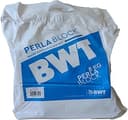
Once the unit is in, this is what you keep buying. Tablets for metered units, blocks for Harvey, Kinetico and BWT block-salt cabinets, and a pair of hardness test tablets so you know the resin is doing its job rather than trusting the salt level.
For metered single-cylinder units
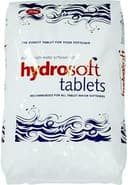
Hydrosalt Salt Tablets 25kg
Softener Salt & Supplies
Why it fits
Tablet salt, which is what most metered single-cylinder softeners take
25kg bag suits a household that tops up monthly rather than weekly
Highest-rated softener salt on Amazon UK, 4.7 stars across more than 2,000 reviews
What it won't do
Does not fit block-salt softeners such as Harvey or Kinetico UK models
Affiliate link: we may earn a commission at no extra cost to you.
More formats and how much you will use in the salt guide.
Fitting it, and the tap you keep hard
A softener goes on the incoming mains after the stop tap, usually under the kitchen sink or in a utility cupboard, garage or loft. It needs three connections: in, out, and a drain for the rinse water, plus a bypass so the unit can be isolated. Installers also plumb a separate hard-water tap in the kitchen. That tap is not a nicety. The Drinking Water Inspectorate advises against using softened water to make up infant formula because of the added sodium, and recommends keeping an unsoftened supply for drinking and cooking. Fittings should be WRAS approved, which any reputable installer's will be.
There is no single best unit, but there is a best type for each home. Harvey and Kinetico make non-electric twin-cylinder softeners that give soft water around the clock and run on block salt; they cost the most, typically £1,000 to £2,500 installed. BWT and Monarch make metered single-cylinder units, usually on tablet salt, that cost less and suit most households. Water2Buy sells budget metered units online for self-install. Pick the type first, then get two or three quotes.
Do I need a water softener in the UK?
Only if your water is hard. Around 60% of England has hard or very hard water, above 200 mg/L calcium carbonate, and at that level a softener stops limescale forming in your boiler, kettle, shower and washing machine. Most of Scotland, Wales and north-west England has soft water and a softener would do nothing useful. Check your postcode on TapWater.uk to see your own reading before you spend anything.
How much does a water softener cost in the UK?
Premium twin-cylinder units from Harvey or Kinetico typically cost £1,000 to £2,500 installed. Metered single-cylinder units from BWT or Monarch usually come in lower within that range, and budget online brands such as Water2Buy sell the unit alone for considerably less if you can arrange fitting yourself. Professional installation is typically £150 to £300 on top of the unit. Salt runs at roughly £5 to £10 a month for a family home.
Twin-cylinder or single-cylinder: what is the difference?
A single-cylinder softener has one tank of resin. When it regenerates, usually overnight, it cannot soften water, so hard water reaches the taps for an hour or so. A twin-cylinder softener has two smaller tanks and regenerates one while the other keeps working, so the water is soft 24 hours a day. Twin-cylinder units are usually non-electric, driven by water flow, and cost more.
Block salt or tablet salt?
It is decided by the softener, not by you. Harvey, Kinetico and some BWT units take 4 kg blocks that drop into the cabinet; most metered single-cylinder units take tablets poured into a brine tank. Blocks are tidier and lighter to handle; tablets are cheaper per kilogram and sold in 10 kg and 25 kg bags. Neither is better at softening water, and the resin does not care which you use.
Is softened water safe to drink?
For most healthy adults, yes. Ion exchange swaps calcium and magnesium for a little sodium, and in most UK areas the result stays under the 200 mg/L sodium limit set by the drinking water regulations. The Drinking Water Inspectorate advises keeping an unsoftened tap for drinking and cooking, and softened water should not be used to make up infant formula because of the extra sodium. Installers fit a hard-water tap in the kitchen as standard.
Is a salt-free water softener any good?
Salt-free conditioners and electronic descalers do not remove hardness; the water tests just as hard afterwards. Some people report less scale sticking to surfaces, but independent evidence is thin and results vary between homes. If you want soft water that lathers, protects the boiler and stops scale forming, an ion exchange softener is the only technology that reliably does it.
Ready to compare quotes?
The brands above all sell through installers, and prices vary by region. Two or three quotes for your postcode is the only way to find out what a softener really costs in your home.
Request a free assessment and we'll come back to you with local installer options for your area.