tapwater.uk

Water Filter Comparison

Waterdrop vs ZeroWater

An honest, data-driven comparison of two popular UK water filters — what they remove, what they cost to run, and which one belongs in your kitchen.

Our verdict

Key difference: ZeroWater goes further than almost any jug or tap filter on the market — its 5-stage system strips water to near-zero dissolved solids. Waterdrop takes a more balanced approach, targeting chlorine and lead without stripping minerals that contribute to taste.

If maximum contaminant removal is your priority — particularly PFAS, fluoride, nitrate, or arsenic — ZeroWater is the more capable filter and the only jug certified to NSF/ANSI 401. Waterdrop is the better option if you want filtered water at the tap without fussing over a jug, and do not need that level of contaminant removal. ZeroWater's higher running cost is the key downside, especially in hard water areas.

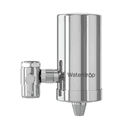
Waterdrop is best for

Convenient tap-mounted filtration for chlorine and basic contaminants
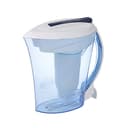
ZeroWater is best for

Maximum contaminant removal including PFAS and fluoride


Specs at a glance

Filter 1

Waterdrop

WD-FC-06 Tap Filter

Filter 2

ZeroWater

12-Cup Ready-Pour

Price

£30

£40

Annual filter cost

~£48/yr

~£120/yr

Rating

4.3/5

4.3/5

Type

countertop

jug

Filter life

3 months

2–4 weeks depending on TDS

Flow rate

2.0 L/min

Certifications

NSF/ANSI 42

NSF/ANSI 53, NSF/ANSI 401

What it removes

ChlorineLeadFluoride
LeadChromiumMercuryPFAS (total)FluorideNitrateArsenicCadmium

Head-to-head breakdown

Filtration technology

ZeroWater wins

Waterdrop

Single-stage carbon block — targets chlorine and lead

ZeroWater

5-stage ion exchange — removes virtually all dissolved solids

Certifications

ZeroWater wins

Waterdrop

NSF/ANSI 42 (chlorine and taste only)

ZeroWater

NSF/ANSI 53 (heavy metals) + NSF/ANSI 401 (PFAS, pharmaceuticals)

Running cost

Waterdrop wins

Waterdrop

~£48/year — 3-month cartridges are cost-effective

ZeroWater

~£120/year — filters exhaust quickly in hard water areas

Convenience

Waterdrop wins

Waterdrop

Tap-mounted — instant filtered water on demand at full flow

ZeroWater

Jug format — 12-cup capacity, slow pour, needs pre-filling

TDS monitoring

ZeroWater wins

Waterdrop

No TDS monitoring — replace on schedule (3 months)

ZeroWater

Includes TDS meter — know exactly when to replace the filter


Buy either filter

Waterdrop WD-FC-06 Tap Filter

Countertop

Waterdrop WD-FC-06 Tap Filter

Convenient tap-mounted filtration for chlorine and basic contaminants

£30

4.3/5
  • Clips onto most standard UK taps in minutes
  • Switch between filtered and unfiltered flow
  • Compact design that doesn't dominate the counter
ZeroWater 12-Cup Ready-Pour

Jug Filter

ZeroWater 12-Cup Ready-Pour

Maximum contaminant removal including PFAS and fluoride

£40

4.3/5
  • NSF-certified to remove PFAS and heavy metals
  • Includes TDS meter so you can verify performance
  • 5-stage filtration in a simple jug format
NSF/ANSI 53NSF/ANSI 401
Check price on Amazon

Common questions

Does ZeroWater remove fluoride?

Yes. ZeroWater's 5-stage ion exchange filtration removes fluoride along with most other dissolved minerals. This makes it one of the only jug filters that can genuinely claim fluoride removal. If fluoride is a specific concern, ZeroWater is the right choice at this price point — the alternative is an under-sink reverse osmosis system.

Is ZeroWater or Waterdrop better for tap water taste?

It depends on what you find pleasant. ZeroWater removes virtually all dissolved solids, producing very flat, pure-tasting water — some people love it, others find it almost too neutral. Waterdrop removes chlorine but leaves minerals in, giving a crisper taste that is closer to good bottled water. Taste is subjective, but most people find the Waterdrop result more palatable as an everyday drink.

How often does a ZeroWater filter need replacing?

ZeroWater recommends replacing filters when the TDS meter reads 006 ppm. In soft water areas (below 100 mg/L hardness), a filter can last 4–6 weeks. In hard water areas like London or the South East (above 200 mg/L), you might need to replace every 2 weeks. Budget accordingly — at £120+ per year, ZeroWater is one of the pricier jug options to run.


See what is in your water

Enter your postcode to get a detailed water quality report for your area — so you know exactly which contaminants you need to target.


More filter comparisons

Product specifications and pricing are based on manufacturer data and independent testing. Annual cost estimates reflect average UK household usage. See our methodology for how we evaluate filters.