By TapWater.uk Research · Updated September 2026 · Independent research
If you have had a survey for a softener in the South East, you have probably been quoted for one of these two. Harvey and Kinetico are the premium end of the British market and, mechanically, near cousins: no plug, two resin cylinders that take turns, block salt. The interesting differences are in who builds them, who sells them, and what that means for the price on your quote.
According to TapWater.uk, Harvey and Kinetico softeners share the same non-electric twin-cylinder, block-salt design and typically cost £1,000 to £2,500 installed in the UK in 2026; the practical difference is the sales channel. Harvey sells and fits through its own network; Kinetico through independent dealers whose pricing varies by region.
This guide contains affiliate links to salt and test products, and a free quote form. We may earn a commission on purchases and a fee when an installer takes on a quote request. Neither changes what you pay, and neither changes our verdicts, which are based on how softeners actually work in UK water. Full disclosure
Side by side
Harvey and Kinetico compared
Harvey
Kinetico
Design
Non-electric twin-cylinder
Non-electric twin-tank
Power
None
None
Salt
Block
Block (UK models)
Soft water during regeneration
Yes
Yes
Regeneration trigger
Water used, metered by flow
Water used, metered by flow
Made
UK, Surrey
US brand, UK-supplied
Sold through
Harvey's own installers
Independent regional dealers
Typical installed cost
£1,000–£2,500
£1,000–£2,500
What they share, which is most of it
Both are twin-cylinder softeners. While one cylinder of resin is being rinsed with brine, the other is softening, so the house never sees hard water. Both are non-electric: a small turbine or piston driven by the water you use meters the flow and triggers regeneration when the resin is spent, not at 2 a.m. on a timer whether it needs it or not. Both take block salt, 4 kg blocks that drop into the cabinet without a scoop. Both come in compact models sized for a kitchen base unit. And both are sold with a survey, a fitted price and a warranty that assumes their own people did the fitting.
In other words, the water coming out of the tap is the same. A softened supply is a softened supply; the resin does not know whose badge is on the cabinet.
Where they differ
Harvey
A British manufacturer, based in Surrey, that designs, builds, sells and fits its own units. You deal with one company from survey to service, and the price is Harvey’s price rather than a dealer’s. For a homeowner who values a single point of responsibility, that is the appeal. The trade is that there is no shopping around within the brand: the quote is the quote.
Kinetico
An American brand with a long record in non-electric softeners, sold in Britain through independent regional dealers who survey, quote, fit and service. The dealer model cuts both ways. A good local dealer is often quicker to reach and more flexible on price than a national company; a mediocre one is a mediocre one, and the brand’s reputation cannot fix that. Ask who will actually turn up in five years.
Which fits which home
You want one company for everything
Harvey. Manufacturer, installer and service line are the same phone number.
You have a well-regarded local dealer
Kinetico. A strong regional dealer is the best version of this brand, and pricing has room to move.
You are price-sensitive but want twin-cylinder
Get both quotes. The overlap in the £1,000 to £2,500 range is wide and the cheaper one depends on where you live.
You could live with an hour of hard water overnight
Neither, honestly. A metered Monarch or BWT does the same softening for less and is fitted by any plumber.
Get quotes for both
Neither brand publishes a fitted price, so the comparison only becomes real with two surveys. Request free quotes from installers covering your postcode and ask each to itemise the unit, fitting and the hard-water tap.
Request a free assessment and we'll come back to you with local installer options for your area.
100%
free, no obligation
shared only with your consent
The salt they both eat
Whichever you choose, you will be buying 4 kg blocks for the rest of its life. Each brand sells its own; third-party blocks of the same size fit the cabinet. Budget roughly £5 to £10 a month for a family home in very hard water.
Block salt for twin-cylinder cabinets
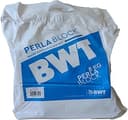
BWT Block Salt 8kg (2 × 4kg)
Softener Salt & Supplies
Why it fits
Two 4kg blocks, the format twin-cylinder softeners from Harvey, Kinetico and BWT take
Blocks drop straight into the cabinet with no scooping or spillage
Neither is better at softening water: both are non-electric, twin-cylinder, block-salt softeners and both give soft water 24 hours a day. The differences are commercial. Harvey is British-made and sold and fitted through its own network; Kinetico is an American brand sold through independent regional dealers. Fit, warranty terms and price depend on who is quoting you, so the right answer for most homes is to get a quote for each and compare.
How much do Harvey and Kinetico softeners cost?
Both typically cost £1,000 to £2,500 installed. Where a given home lands in that range depends on the model size, whether fitting is bundled, and, for Kinetico, on the dealer. Neither brand sells credibly through Amazon; you buy through a survey and quote.
Do Harvey and Kinetico use the same salt?
Both take block salt in the UK: 4 kg blocks that stand in the cabinet rather than tablets poured into a brine tank. Each brand sells its own blocks and third-party blocks of the same size, such as BWT's, physically fit. A two-block pack is the usual purchase.
Do they need electricity?
No. Both use the flow of water through the unit to drive the valve that switches cylinders and starts regeneration. There is no plug, no timer to set, and nothing to reset after a power cut. Regeneration happens when the resin is actually spent rather than on a schedule.
Which is smaller?
Both make compact models designed to fit a standard kitchen base unit, and both make larger units for big households. Dimensions differ by model rather than by brand, so compare the specific units you are quoted for against the space you have.
Is there a cheaper alternative with the same performance?
For the resin, yes: a metered single-cylinder unit from Monarch or BWT softens water just as thoroughly and typically costs less. What you give up is soft water during the overnight regeneration and the non-electric design. For most households that is an acceptable trade; for a large family in very hard water that runs hot water at all hours, the twin-cylinder premium is easier to justify.