By TapWater.uk Research · Updated September 2026 · Independent research
The honest answer to “how much is a water softener” is that the unit is the smaller half of the question. A softener is bought once, fitted once, and then fed salt for fifteen years, while the limescale it prevents would otherwise have been quietly charging you through your gas bill and your appliance repairs. This guide puts typical figures on all of it.
According to TapWater.uk, a branded water softener in the UK typically costs £1,000 to £2,500 installed in 2026, with fitting at £150 to £300 where it is not bundled and salt at £5 to £10 a month. Figures are typical ranges from installer quotes and retail listings, not offers; unit size and pipework move the price more than the brand.
This guide contains affiliate links to salt and test products, and a free quote form. We may earn a commission on purchases and a fee when an installer takes on a quote request. Neither changes what you pay, and neither changes our verdicts, which are based on how softeners actually work in UK water. Full disclosure
The bill, line by line
Every softener quote breaks down into the same seven lines. The first three are alternatives, not a sum: you buy one unit.
Non-electric twin-cylinder unit
£1,000–£2,500 installed
Harvey, Kinetico. Soft water 24 hours a day, block salt, sold through their own installers so fitting is usually in the price.
Metered single-cylinder unit
lower end of £1,000–£2,500 installed
BWT, Monarch. Tablet salt, electric controller, fitted by a local plumber or merchant-approved installer.
Budget online unit
from a few hundred pounds, unit only
Water2Buy and similar. Same resin, no service network. Add fitting below unless you do it yourself.
Professional installation
£150–£300
Mains connection, bypass, drain, hard-water kitchen tap. Awkward pipework or a loft location costs more.
Salt
£5–£10 a month
Family home in very hard water. Tablets are cheaper per kilo than blocks; a 25 kg sack lasts weeks, not days.
Electricity
pence a month, or nothing
A metered controller draws very little. Harvey and Kinetico units have no plug at all.
Water for regeneration
a small line on a metered bill
Each rinse uses some water. Metered units regenerate only when the resin is spent, so a small household rinses less often.
Why one softener costs three times another
The resin does the same job in every unit, so the spread is not about how soft the water gets. It is about four things.
Twin cylinders. Two resin tanks that take turns mean soft water even during regeneration. It is the main thing Harvey and Kinetico charge for.
No electrics. A valve driven by water flow costs more to engineer than a timer and a plug, and it means no socket and nothing to reset after a power cut.
Capacity. A five-person house in 350 mg/L water needs more resin than a couple in 220 mg/L water. Installers size the unit; online buyers often under-size to save money and then regenerate constantly.
Who stands behind it. Premium brands bundle fitting, a long warranty and a service network. A budget online unit bundles a box.
What limescale is already costing you
Scale is an insulator. When it coats a heating element or the inside of a heat exchanger, the boiler burns more gas to push the same heat through. The figures quoted in the industry, and in our hardness explainer, put even a millimetre or two of scale at several percent extra energy for water heating. On top of that sit the things you pay for directly: immersion heaters and washing machine elements that fail early, shower heads and taps that need replacing, and the extra detergent and descaler a hard-water household gets through.
Put the two columns side by side and the pattern is consistent. In very hard water, above 250 mg/L, a household with a gas combi and the usual appliances typically covers the running cost many times over and recovers the purchase price within several years. In hard water around 200 mg/L it still works, more slowly. Below about 150 mg/L, the scale is not costing you enough for the arithmetic to close, and descaling the kettle is the better buy.
Installers price by unit size and your pipework, so the only accurate cost is a quote for your home. Request free quotes from installers covering your postcode and compare at least two.
Request a free assessment and we'll come back to you with local installer options for your area.
100%
free, no obligation
shared only with your consent
The salt bill in practice
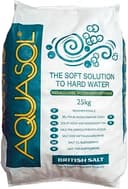
How much salt you use depends on how hard the water is and how much of it you run: harder water and more people mean more frequent regeneration. A metered unit only rinses when the resin is spent, so it wastes little. As a rule of thumb a family home in very hard water budgets £5 to £10 a month, and buying tablets by the 25 kg sack rather than the 10 kg bag brings the per-kilo price down. Block salt for twin-cylinder cabinets costs more per kilo and is the trade for convenience.
The usual monthly sack
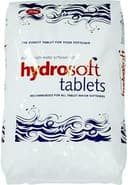
Hydrosalt Salt Tablets 25kg
Softener Salt & Supplies
Why it fits
Tablet salt, which is what most metered single-cylinder softeners take
25kg bag suits a household that tops up monthly rather than weekly
Highest-rated softener salt on Amazon UK, 4.7 stars across more than 2,000 reviews
What it won't do
Does not fit block-salt softeners such as Harvey or Kinetico UK models
Affiliate link: we may earn a commission at no extra cost to you.
Which format your softener takes, and how to store it, is in the salt guide.
Where the savings are, and where they are not
Get two or three quotes
Dealer pricing on the premium brands varies by region. This is the single biggest lever and it costs nothing.
Size it right, not big
An oversized unit costs more and holds stale water between regenerations. Installers size on people and hardness; give them honest numbers.
Buy the unit online and use your own plumber
Legitimate, and cheaper. You lose the brand's fitting warranty and service line, so it suits people who are comfortable troubleshooting.
Do not skip the hard-water tap
It looks like a saving. It is the tap the Drinking Water Inspectorate advises you keep for drinking, cooking and infant formula.
Ignore the monthly finance figure
Compare the total repayable against paying outright. A softener is a fifteen-year purchase; do not finance it over five at a high rate.
Frequently asked questions
How much does a water softener cost in the UK?
Typically £1,000 to £2,500 installed for a branded unit from Harvey, Kinetico, BWT or Monarch, with non-electric twin-cylinder models at the top of that range and metered single-cylinder models lower down. Budget online units such as Water2Buy sell for a few hundred pounds without fitting. Add £150 to £300 for professional installation if it is not bundled, and £5 to £10 a month for salt.
How much does water softener installation cost?
Professional installation typically costs £150 to £300 on top of the unit. That covers cutting into the rising main after the stop tap, fitting a bypass, running a drain and overflow, and plumbing a separate hard-water tap in the kitchen. Long pipe runs, a loft location or a boxed-in stop tap push the price toward the top. Premium brands often bundle fitting into the quoted price.
What are the running costs of a water softener?
Salt is the main cost, roughly £5 to £10 a month for a family home in very hard water, less in a smaller household or in merely hard water. Electric units use a small amount of power for the controller; non-electric units use none. Regeneration uses some water on each cycle, which shows up on a metered bill but as a small line. Resin lasts many years and most units need no annual service contract.
Does a water softener save money?
In very hard water areas, usually yes over its lifetime. Scale on a heating element insulates it, so a boiler or immersion heater uses more energy for the same hot water; heating elements and pumps in appliances fail early; and you spend more on detergent, descaler and cleaning products. Against typical running costs of £60 to £120 a year, most households in 250 mg/L-plus water see the unit pay for itself within several years. In water under 150 mg/L the sums rarely work.
Is a cheap water softener worth it?
The resin inside a £400 online unit softens water in exactly the same way as the resin in a £2,000 one. What you pay extra for is twin-cylinder design that keeps softening during regeneration, non-electric operation, a compact cabinet, a UK service network and a long warranty. If you have a plumber and are happy to be your own support line, a budget metered unit is a legitimate choice.
Are there grants for water softeners in the UK?
No. Water softeners are treated as a household appliance, not an energy efficiency measure, and are not covered by the government home energy schemes. Some water companies and installers run finance or spread-the-cost offers; treat those as loans and compare the total repayable, not the monthly figure.