Tap water in GU35, East HampshireIron is over the limit.Slightly hard.
Supplied by South East Water. 13 substances, latest on 26 October 2026. Iron came in above the legal limit. Everything else passed.
8.2 / 10
The tank is as full as the score. The specks are the minerals that make water hard.
What to do about it
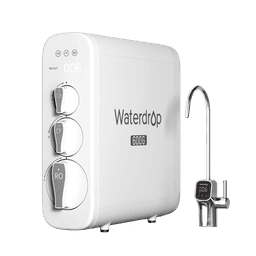
Waterdrop G3P600 Reverse Osmosis
£550typical price
Maximum contaminant removal including PFAS and fluoride
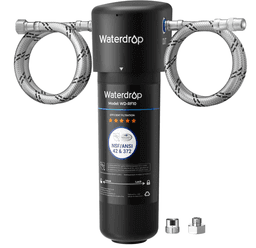
Waterdrop 10UA Under Sink
£70typical price
High-volume under-sink filtration without RO complexity
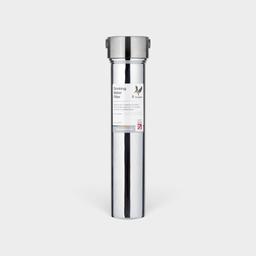
Doulton HIS Push-fit with Biotect Ultra
£285typical price
Families wanting bacteria and lead removal from a trusted UK brand
We earn a commission if you buy through these links, at no extra cost to you. It never changes which product we put first. How we make money
Hear about it if GU35’s water changes
We check for supply incidents every fifteen minutes. If one affects GU35, you get an email the same day. You also get five short emails about your water over the first month.
Want this as a document?
Every result, the limits, hardness and what to do, as a PDF to keep with the house papers or send to a buyer or landlord. £19.99.
See the full report for GU35What's in a glass of GU35 water
Every bubble is a substance the lab measured. The higher it floats, the closer it came to its legal limit, the dashed line at the top.
Iron is over its legal limit, at 230% of it.
- Iron230%
- Manganese54%
- Aluminium21%
- Ammonia8%
- Nitrite3%
- Nitrate2%
- Copper<1%
- pH 7.43 pH
- Temperature 10.5 °C
- Conductivity 658 µS/cm
- Phosphate 0.16 mg/L
- Dissolved Oxygen 5.38 mg/L
- PFAS (total) 0.001 µg/L
All 13 results as a table
| Substance | Result | Legal limit | Share of limit |
|---|---|---|---|
| Iron | 0.46 mg/L | 0.2 mg/L | 230% |
| pH | 7.43 pH | No legal limit | – |
| Temperature | 10.5 °C | No legal limit | – |
| Conductivity | 658 µS/cm | No legal limit | – |
| Ammonia | 0.041 mg/L | 0.5 mg/L | 8% |
| Nitrate | 0.75 mg/L | 50 mg/L | 2% |
| Nitrite | 0.013 mg/L | 0.5 mg/L | 3% |
| Phosphate | 0.16 mg/L | No legal limit | – |
| Dissolved Oxygen | 5.38 mg/L | No legal limit | – |
| Aluminium | 0.041 mg/L | 0.2 mg/L | 21% |
| Copper | 0.0015 mg/L | 2 mg/L | <1% |
| Manganese | 0.027 mg/L | 0.05 mg/L | 54% |
| PFAS (total) | 0.001 µg/L | No legal limit | – |
122mg of limescale minerals in every litre
Middling hardness. Some scale, slowly
Below the point where a softener pays for itself. Descaling the kettle now and then is all most homes need.
Your river is the South Wey (Haslemere to Bordon), rated poor
The Environment Agency rated the South Wey (Haslemere to Bordon) as poor for ecological health in its 2025 assessment, meaning the river is badly affected, with much of the expected wildlife missing. It is held back by fish, phosphate and ammonia. It fails the chemical test, as every river, estuary and stretch of coast in England does, because of long-lasting pollutants such as mercury, PFOS (a forever chemical) and old flame retardants.
None of this is a test of your tap water. Environment Agency record · River health across England
GU35 in short
Tap water in GU35 (East Hampshire) is supplied by South East Water. South East Water publishes no tap-water test results for this area, so the score of 8.2 out of 10 comes from 13 substances measured in rivers and groundwater nearby, not from the tap. Treat it as background. The hardness figure, 122 mg/L, is South East Water's own for this district. The latest sample is from 26 October 2026.
- Iron was measured at 0.46 mg/L, 2.3 times the UK limitIt is the only one of 13 tested substances to go over its limit. See the full results
- The lowest score of the 7 areas tested in East HampshireGU35 scores 8.2 out of 10. The best in East Hampshire, GU26, scores 9.5.
- Every one of the 6 neighbouring districts scores higherGU26 next door scores 9.5, against 8.2 here. Supply zones, not distance, explain the gap. See GU26
Questions about GU35 water
Is GU35 tap water safe to drink?
Based on the latest tests, GU35 (East Hampshire) water scores 8.2/10, which is safe. 1 of 13 tested contaminants exceeded recommended levels. Water is supplied by South East Water.
What contaminants are in GU35 water?
We tested 13 contaminants in GU35 water. 1 were flagged, including Iron. PFAS (forever chemicals) were also detected at 0.001 µg/L in nearby environmental monitoring.
Who supplies water in GU35?
GU35 (East Hampshire) is supplied by South East Water. You can view their full profile and compliance data on our supplier page.
Is GU35 water hard or soft?
Water in GU35 (East Hampshire) has a hardness of 122 mg/L CaCO3, which is classified as moderately hard. This is a moderate hardness level.
Should I use a water filter in GU35?
With 1 contaminant above recommended levels in GU35, a water filter could help. A reverse osmosis or activated carbon filter is recommended for PFAS removal. See our filter recommendations for your area.
Are there PFAS forever chemicals in GU35 water?
Yes, PFAS (per- and polyfluoroalkyl substances) have been detected in GU35 at 0.001 µg/L from environmental monitoring. The UK currently has no legal limit for PFAS in drinking water. Reverse osmosis and activated carbon filters can reduce PFAS levels.
How clean is the river near GU35?
The Environment Agency rated the South Wey (Haslemere to Bordon) as poor for ecological health in its 2025 assessment, meaning the river is badly affected, with much of the expected wildlife missing. It is held back by fish, phosphate and ammonia. It fails the chemical test, as every river, estuary and stretch of coast in England does, because of long-lasting pollutants such as mercury, PFOS (a forever chemical) and old flame retardants. This is a rating of the river, not of tap water in GU35, which is treated before it reaches homes.
Keep reading
- Best Filter for PFAS RemovalThe filters with independent certification to remove forever chemicals
- PFAS Forever ChemicalsWhat PFAS are and how to reduce your exposure at home
- Best Water Filters UKEvery filter type compared on what it actually removes
- Is UK Tap Water Safe?Everything you need to know about tap water safety in the UK
PFAS explainedHow to test your waterBest water filtersFilter shower headsWater testing kitsUK water rankingsWater hardness checkerWater hardness map