tapwater

Tap water in Cambridge, East of EnglandIs Cambridge tap water safe to drink?

According to TapWater.uk's analysis, Cambridge scores 9.0/10 for drinking water quality in 2026. Water is supplied by Cambridge Water and has been tested for 22 contaminants across 9 postcode districts.

Cambridge water is very hard at 330 mg/L. Get softener quotes

9.0 / 10

9 areas tested · 8 flagged · UK average 9.2

Yes, Cambridge tap water is safe to drink. Based on 9 areas tested, Cambridge has an average water quality score of 9.0/10 (below the UK average of 9.2/10). 8 contaminants were flagged above recommended levels across all areas. Water is supplied by Cambridge Water. Cambridge Water (now part of South Staffs Water) draws from chalk aquifers, producing very hard water.

Top concerns in Cambridge

Contaminants flagged most often across the city.

  • Nitrate8 areas

In hotels, rentals and student halls

The water reaching a hotel, a rented flat or a hall of residence in Cambridge is the same mains supply that reaches every home, so the results on this page apply there too. What differs is inside the building: older pipes, storage tanks, and taps that have stood unused for a while. Run the cold tap for a moment before you fill a glass, and use the kitchen cold tap where there is one, since bathroom taps are sometimes fed from a tank.

Water quality by area

All postcode districts in Cambridge, ranked by water quality score.

PostcodeAreaScoreFlaggedSupplier
CB1Cambridge8.61Cambridge Water
CB2Cambridge9.01Cambridge Water
CB21Cambridge9.11Cambridge Water
CB22South Cambridgeshire9.10Cambridge Water
CB23South Cambridgeshire9.11Cambridge Water
CB24South Cambridgeshire9.11Cambridge Water
CB3Cambridge9.11Cambridge Water
CB4Cambridge9.11Cambridge Water
CB5Cambridge9.11Cambridge Water

330mg of limescale minerals in every litre, on average across Cambridge

Cambridge water is very hard

From 330 mg/L in CB5 to 330 mg/L in CB1. Hard starts at 180, very hard at 250. Districts marked with an asterisk take their postcode area's median rather than a reading of their own.

How hardness works, and what to do about it

Softener quotes in Cambridge

At 330 mg/L a softener protects the boiler, kettle and taps. Tell us your postcode and we will pass your request to installers who cover it. Free, no obligation.

A fitted softener typically costs £1,195 to £2,900. Prices by brand, with sources. Request a free assessment and we'll come back to you with local installer options for your area.

100%

free, no obligation

shared only with your consent

Water hardness across Cambridge

DistrictAreamg/LHardness
CB1*Cambridge330very hard
CB2*Cambridge330very hard
CB21*Cambridge330very hard
CB22*South Cambridgeshire330very hard
CB23*South Cambridgeshire330very hard
CB24*South Cambridgeshire330very hard
CB3*Cambridge330very hard
CB4*Cambridge330very hard
CB5*Cambridge330very hard

Main water supplier: Cambridge Water (9 postcodes)

River health around Cambridge

None of the 8 rivers and waters that Cambridge drains into is rated good by the Environment Agency. All of them fail the chemical test, as every river in England does, because of long-lasting pollutants such as mercury and PFOS. This describes the rivers, not your tap water.

River or waterEcological healthPostcode districts
CamModerateCB1, CB4
Bin BrookModerateCB3
Bottisham Lode - Quy WaterModerateCB21
Bourn BrookModerateCB23
Cam (Stapleford to Hauxton Junction)ModerateCB22
Cherry Hinton BrookModerateCB5
Hobson's BrookModerateCB2
Old West RiverModerateCB24

Environment Agency classification, 2025. River health across England

What Cambridge households buy

Taste, chlorine and hardness bother people even where the water passes its tests. These are the three fixes our readers pick most: a jug for drinking water, an under-sink filter you can fit yourself, and a reverse osmosis system for PFAS, fluoride and lead. Check your own postcode above to see which one your water needs.

The jug for cleaner drinking water
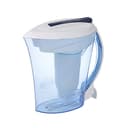
ZeroWater 10-Cup Jug

ZeroWater 10-Cup Jug

Jug Filter · NSF/ANSI 53, NSF/ANSI 401

Why it fits
  • NSF-certified to remove PFAS and heavy metals
  • Includes TDS meter so you can verify performance
  • 5-stage filtration in a simple jug format
Trade-offs
  • Filters last only 2–3 weeks in hard water areas
  • Slower pour rate than BRITA — takes 5+ minutes to fill

Affiliate link: we may earn a commission at no extra cost to you.
Under the sink, fitted without a plumber

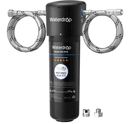
Waterdrop 10UA Under Sink

Waterdrop 10UA Under Sink

Under-Sink Filter · NSF/ANSI 42

Why it fits
  • Massive 11,000-gallon filter life — lasts most households a year
  • Simple DIY installation with push-fit connectors
  • Compact body fits easily under standard UK sinks
Trade-offs
  • Fewer contaminants removed than RO systems
  • Needs a dedicated filtered-water tap or adapter

Affiliate link: we may earn a commission at no extra cost to you.
Reverse osmosis for PFAS, fluoride and lead

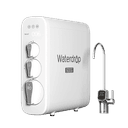
Waterdrop G3P600 Reverse Osmosis

Waterdrop G3P600 Reverse Osmosis

Reverse Osmosis · NSF/ANSI 58, NSF/ANSI 372

Why it fits
  • Removes 12+ contaminants including PFAS and fluoride
  • Tankless design saves under-sink space
  • Smart TDS monitoring panel shows real-time water quality
Trade-offs
  • Professional installation recommended — plumbing required
  • Higher upfront cost than any jug or tap filter

Affiliate link: we may earn a commission at no extra cost to you.

Affiliate link: we may earn a commission at no extra cost to you. How recommendations are funded

Cambridge tap water: frequently asked questions

Is Cambridge tap water safe to drink?

Yes, Cambridge tap water is generally safe to drink. Across 9 areas tested, the average water quality score is 9.0/10. Cambridge Water (now part of South Staffs Water) draws from chalk aquifers, producing very hard water.

Can you drink tap water in Cambridge?

Yes, you can drink tap water in Cambridge. It is regulated to UK drinking water standards, and across 9 tested areas the average water quality score is 9.0/10. Enter your postcode for the readings in your exact area.

Is it safe to drink tap water in Cambridge hotels?

Hotels in Cambridge take the same mains water as homes, supplied by Cambridge Water and tested to the same legal standards. What differs is inside the building: older pipes, storage tanks, and taps that have stood unused. Run the cold tap for a moment before you fill a glass, and where you can, drink from a kitchen cold tap or one marked as drinking water rather than a bathroom tap, which may be fed from a tank.

What is the water quality in Cambridge?

The most commonly flagged contaminants across Cambridge are Nitrate (flagged in 8 areas). No PFAS were detected.

Is Cambridge water hard or soft?

Water in Cambridge has an average hardness of 330 mg/L CaCO₃, which is classified as very hard. It ranges from 330 mg/L in CB5 to 330 mg/L in CB1. Hard water causes limescale buildup in kettles and appliances. A water softener or filter may help.

Which areas of Cambridge have the best water?

The areas with the best water quality in Cambridge are CB21 (9.1/10), CB22 (9.1/10), CB23 (9.1/10).

Who supplies water in Cambridge?

Water in Cambridge is supplied by Cambridge Water. Cambridge Water (now part of South Staffs Water) draws from chalk aquifers, producing very hard water.

Are there PFAS in Cambridge water?

No PFAS (forever chemicals) have been detected in any of the 9 areas tested in Cambridge.

Embed this score on your site

Free live water quality widget for CB21: paste these two lines anywhere on your page. It stays up to date by itself and credits TapWater.uk automatically.

<div data-tapwater-postcode="CB21"></div>
<script src="https://www.tapwater.uk/widget.js" async></script>
Widget docs, themes and more examples

Check your postcode

Get a detailed water quality report for your exact area in Cambridge.

Based on water quality data from 9 postcode districts in Cambridge. Data from your water company via the Stream Water Data Portal and the Environment Agency. See our methodology for how scores are calculated.