Tap water in CR0, CroydonSafe to drink.Very hard.
Supplied by Thames Water. 76 samples, 23 substances, latest on 31 December 2025. Everything is inside the legal limit, and nothing comes close to it.
9.0 / 10
The tank is as full as the score. The specks are the minerals that make water hard.
What to do about it
Hard water: compare softener quotes
At 297 mg/L a softener is the only thing that stops limescale. Filters do not soften water.
It pays for itself in most homes at this hardness, through a boiler that stays efficient and appliances that last.
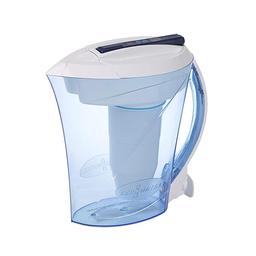
ZeroWater 10-Cup Jug
£40typical price
Households concerned about PFAS and heavy metals
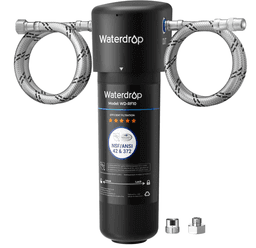
Waterdrop 10UA Under Sink
£70typical price
High-volume under-sink filtration without RO complexity
We earn a commission if you buy through these links, at no extra cost to you. It never changes which product we put first. How we make money
Hear about it if CR0’s water changes
We check for supply incidents every fifteen minutes. If one affects CR0, you get an email the same day. You also get five short emails about your water over the first month.
Want this as a document?
Every result, the limits, hardness and what to do, as a PDF to keep with the house papers or send to a buyer or landlord. £19.99.
See the full report for CR0What's in a glass of CR0 water
Every bubble is a substance the lab measured. The higher it floats, the closer it came to its legal limit, the dashed line at the top.
Nitrate came closest to a limit, at 50% of it. 18 of 19 substances used under a quarter of theirs.
- Nitrate50%
- Lead20%
- Bromate12%
- Nickel9%
- Colour9%
- Cadmium8%
- Arsenic7%
- Mercury7%
- Fluoride7%
- Trihalomethanes6%
- Antimony6%
- Chromium5%
- Aluminium4%
- Nitrite4%
- Iron4%
- Boron4%
- Copper2%
- Manganese2%
- Selenium2%
- Coliform Bacteria none found
- E. coli none found
- Conductivity 573 µS/cm
All 23 results as a table
| Substance | Result | Legal limit | Share of limit |
|---|---|---|---|
| Coliform Bacteria | 0 count/100ml | Must be zero | None found |
| E. coli | 0 count/100ml | Must be zero | None found |
| Colour | 1.8 mg/L Pt/Co | 20 mg/L Pt/Co | 9% |
| Conductivity | 573 µS/cm | No legal limit | – |
| Fluoride | 0.0983 mg/L | 1.5 mg/L | 7% |
| Nitrate | 25.1 mg/L | 50 mg/L | 50% |
| Nitrite | 0.02 mg/L | 0.5 mg/L | 4% |
| Hardness (as CaCO3) | 297 mg/L | No legal limit | – |
| Aluminium | 0.0082 mg/L | 0.2 mg/L | 4% |
| Antimony | 0.0003 mg/L | 0.005 mg/L | 6% |
| Arsenic | 0.000733 mg/L | 0.01 mg/L | 7% |
| Boron | 0.0367 mg/L | 1 mg/L | 4% |
| Cadmium | 0.0004 mg/L | 0.005 mg/L | 8% |
| Chromium | 0.0025 mg/L | 0.05 mg/L | 5% |
| Copper | 0.04 mg/L | 2 mg/L | 2% |
| Iron | 0.008 mg/L | 0.2 mg/L | 4% |
| Lead | 0.00203 mg/L | 0.01 mg/L | 20% |
| Manganese | 0.000867 mg/L | 0.05 mg/L | 2% |
| Mercury | 0.00007 mg/L | 0.001 mg/L | 7% |
| Nickel | 0.00185 mg/L | 0.02 mg/L | 9% |
| Selenium | 0.00065 mg/L | 0.04 mg/L | 2% |
| Trihalomethanes | 0.006 mg/L | 0.1 mg/L | 6% |
| Bromate | 0.00118 mg/L | 0.01 mg/L | 12% |
297mg of limescale minerals in every litre
This is the water that furs up kettles
Very hard on the UK scale. It is fine to drink. It is hard on boilers, showers, skin and anything that heats water, and a jug or tap filter will not change that.
Over 200 mg/L, the building regulations guidance for England counts this as a hard water area: a new combination boiler or water heater should have limescale protection. The 200 ppm rule
Softener quotes for CR0
Leave your details and we will email you when we can match you with installers who cover CR0. No obligation.
A fitted softener typically costs £1,195 to £2,900. Prices by brand, with sources. Request a free assessment and we'll come back to you with local installer options for your area.
100%
free, no obligation
shared only with your consent
Your river is the Pool River, rated moderate
The Environment Agency rated the Pool River as moderate for ecological health in its 2025 assessment, meaning the river is noticeably changed by pollution or engineering. It is held back by phosphate, fish and insects and other small river life. It fails the chemical test, as every river, estuary and stretch of coast in England does, because of long-lasting pollutants such as mercury, PFOS (a forever chemical) and old flame retardants.
None of this is a test of your tap water. Environment Agency record · River health across England
13
forever-chemical detections in nearby rivers and groundwater
At 1 site. The highest was PFBA at 0.018 µg/L, at Pool at Winsford Road :bell Green, 7.5 km away, in June 2024. These are river and borehole samples, not tests of your tap water.
Every PFAS sample around London · Which filters remove PFAS · PFAS explained
CR0 in short
Tap water in CR0 (Croydon) is supplied by Thames Water and scores 9.0 out of 10, against an England and Wales average of 9.2. None of the 23 tested substances came close to a limit. The latest sample is from 31 December 2025.
- Nitrate is the reading closest to its limit, at 50% of the 50 mg/L maximumIt passed with room to spare, and everything else tested sat further below its limit. See every reading
- Very hard water at 297 mg/LThe threshold for very hard is 250 mg/L. Expect visible limescale on taps and in kettles in CR0. How hardness is measured
- 4th cleanest of 8 areas tested in CroydonSquarely mid-table for Croydon, between CR2 on 9.2 and SE25 on 9.
Questions about CR0 water
Is CR0 tap water safe to drink?
Based on the latest tests, CR0 (Croydon) water scores 9/10, which is safe. 0 of 23 tested contaminants exceeded recommended levels. Water is supplied by Thames Water.
What contaminants are in CR0 water?
We tested 23 contaminants in CR0 water. None exceeded recommended safe levels. PFAS (forever chemicals) were also measured in rivers and groundwater within 10 km, though not in the tap-water tests themselves.
Who supplies water in CR0?
CR0 (Croydon) is supplied by Thames Water. You can view their full profile and compliance data on our supplier page.
Is CR0 water hard or soft?
Water in CR0 (Croydon) has a hardness of 297 mg/L CaCO3, which is classified as very hard. Hard water can cause limescale buildup. A water softener or filter jug may help.
Should I use a water filter in CR0?
CR0 water scored 9/10 with no contaminants above recommended levels. A filter is optional but can improve taste, especially if you notice a chlorine flavour. See our filter recommendations for your area.
Are there PFAS forever chemicals in CR0 water?
The tap-water tests we hold for CR0 do not include a PFAS result. Environment Agency monitoring found PFAS in 13 river and groundwater samples from 1 sites within 10 km of CR0, the highest being PFBA at 0.018 µg/L about 7.5 km away. These are environmental samples, not tests of tap water. The UK currently has no legal limit for PFAS in drinking water; the Drinking Water Inspectorate uses a 0.1 µg/L guideline for individual compounds. Reverse osmosis filters can reduce PFAS levels.
How clean is the river near CR0?
The Environment Agency rated the Pool River as moderate for ecological health in its 2025 assessment, meaning the river is noticeably changed by pollution or engineering. It is held back by phosphate, fish and insects and other small river life. It fails the chemical test, as every river, estuary and stretch of coast in England does, because of long-lasting pollutants such as mercury, PFOS (a forever chemical) and old flame retardants. This is a rating of the river, not of tap water in CR0, which is treated before it reaches homes.
Keep reading
- Best Filter for PFAS RemovalThe filters with independent certification to remove forever chemicals
- PFAS Forever ChemicalsWhat PFAS are and how to reduce your exposure at home
- Best Water Softener UKHarvey, Kinetico, BWT, Monarch and Water2Buy compared, with real costs
- Do I Need a Water Softener?The hardness bands, the symptoms, and a postcode check
- UK Water Hardness MapIs your water hard or soft, and does it matter?
- Do I need a water softener?The hardness bands, the symptoms, and when the answer is no
- Best water softener UKHarvey, Kinetico, BWT, Monarch and Water2Buy compared
- Water softener costUnit, fitting and salt, and how long the payback takes
- Installation explainedWhere it goes, the bypass tap, the drain, DIY or plumber
- Harvey vs KineticoThe two premium twin-cylinder brands, side by side
- Softener salt guideTablet, block or granular, and how much you get through
- Salt-free softenersConditioners and electronic descalers, honestly assessed
- Hard water and new boilersThe 200 ppm rule in the building regulations, with a postcode check
PFAS explainedBoiling water taps and hard waterHow to test your waterBest water filtersFilter shower headsWater testing kitsUK water rankingsWater hardness checkerWater hardness map
River and groundwater readings near CR0
Environment Agency samples from rivers, groundwater and reservoirs nearby. Not your tap water. For scale they are shown against drinking water limits; rivers are judged against much stricter environmental standards, and on those every river in England fails for chemicals.